
The way that digital content is created is changing rapidly and video is the main focus of that change. AI video generation algorithms can accomplish in a matter of minutes what previously involved complex software, a lengthy production time, and advanced knowledge. These systems do more than automate video production, but also transform static images to are transformed into moving and immersive stories.
Akool is at the forefront of the change, and its technology illustrates how far AI-driven creative thinking has advanced.
From static images to life-like visuals
Traditional video production starts with footage. A workflow powered by AI that is advanced starts with an image. The Akool video model was created to convert static photographs and illustrations or design assets into videos that appear real and visually coherent. Instead of using generic animations, this model adds depth texture, motion, and depth but preserves the authenticity of the original image.
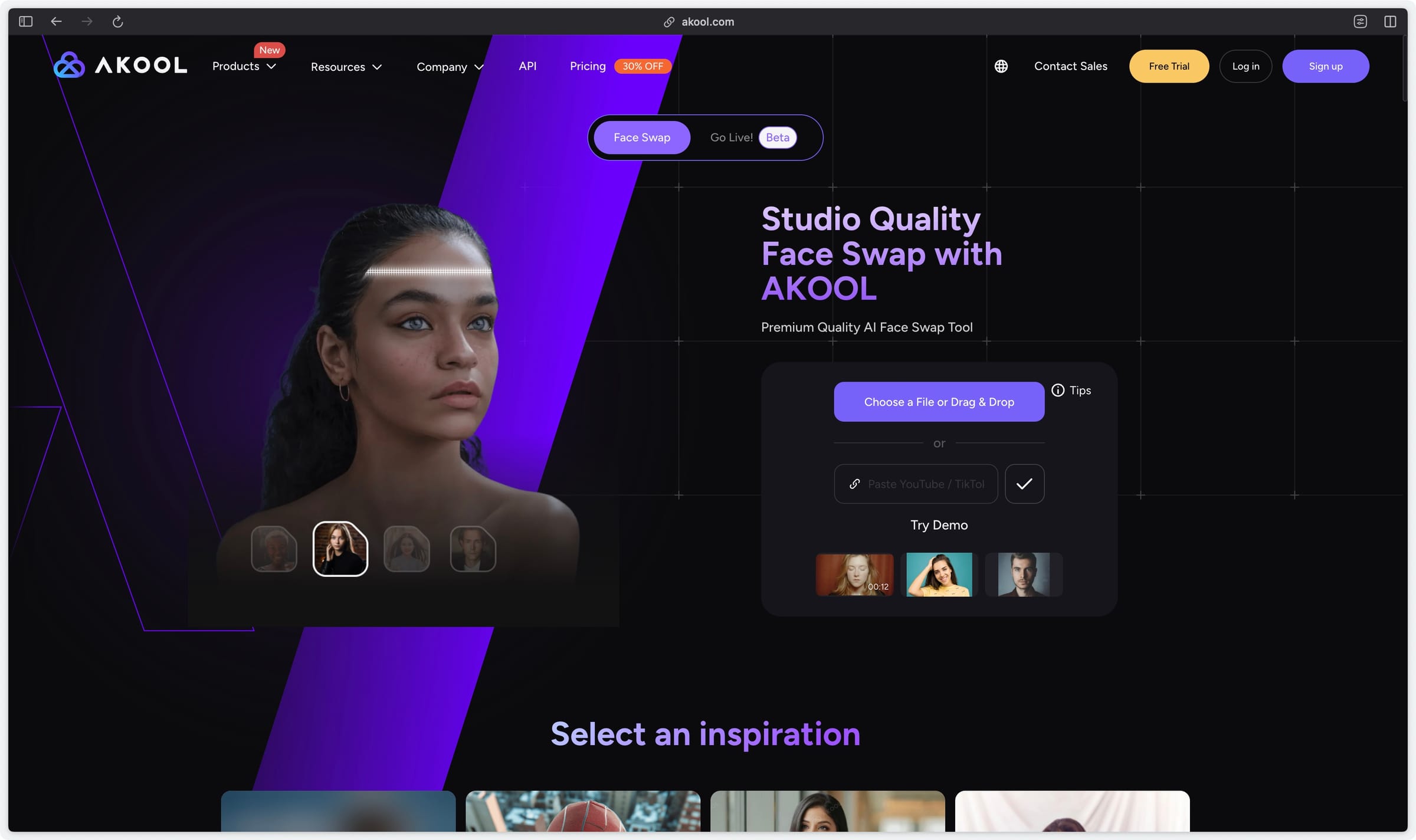
Image credit: akool.com
This is a particularly useful tool for teams with vast image libraries. Brand images, product photos, or artwork can be turned into captivating videos without reshoots which saves time and money while also increasing the creative output.
Fine Motion to Create Cinematic Effects
One of the defining traits of a truly professional AI video model is control. Random animation is often a barrier to the sense of. Advanced technology lets creators specify how elements move within the frame’s direction and speed as well as the direction, resulting in smoother and more cinematic output.
With fine-grained motion control, creators can create a realistic simulation of camera movements and subtle shifts in the environment or even character movement that feels authentic rather than automatic. AI-generated videos can be easily used in professional marketing strategies as well as storytelling formats.
Speed Without Sacrificing Quality
Speed is often a sign of compromise, but modern AI systems challenge that assumption. An advanced AI video generator can produce high-resolution clips in seconds while maintaining sharpness, color accuracy, and visual stability. AI video generation is only effective when it achieves the right balance between efficiency, quality and cost.
The speed of iteration is essential for social media and marketing contexts, where trends change quickly. It is possible to quickly test concepts, make changes to images, and create new content. This gives creators and brands a real advantage, without costing production more.
Trust is built on the foundation of consistency
One of the major issues in AI video production has been uniformity, particularly when humans or characters are included. Akool AI addresses this issue by maintaining facial identification, expressions and character alignment across a clip. This continuity creates more believable videos and prevents the visual drift that frequently reduces viewer interest.
This consistency is essential for instances of use such as brand ambassadors, or for visuals used to educate. The audience is more likely feel comfortable and reassured by images that feel stable and human-like rather than artificial or fragmented.
Workflows that are real-world and designed for the workplace.
AI video tools are the most efficient when they seamlessly integrate with existing processes of creativity. Image-to-video models built for professional use emphasize simplicity as well as power. Simple interfaces for users, quick rendering, and compatibility with common pipelines for content makes it simple for teams to embrace AI video generation without extensive retraining.
Beyond the individual creator These systems facilitate collaboration and creativity. Users can browse examples shared by others, learn about new techniques and expand their artistic boundaries by using communities-driven ecosystems.
A New Standard for Visual Storytelling
AI video creation isn’t an experiment today. It’s an essential instrument for creating content in the modern age. AI models today have the ability to enhance existing assets, by combining realism and speed, as well as creative control.
As AI continues to develop, tools Akool video model show a wider shift towards an easier, more efficient video production. The future of visual storytelling is not solely about creating motion. It is about helping creators create compelling experiences more quickly and efficiently than they have ever.