
It often starts small. There are a number of Raspberry Pi devices can be deployed in a test environment, such as in a lab. The situation is manageable. You are able to manually monitor your devices, update them if needed and address any issues that pop up.
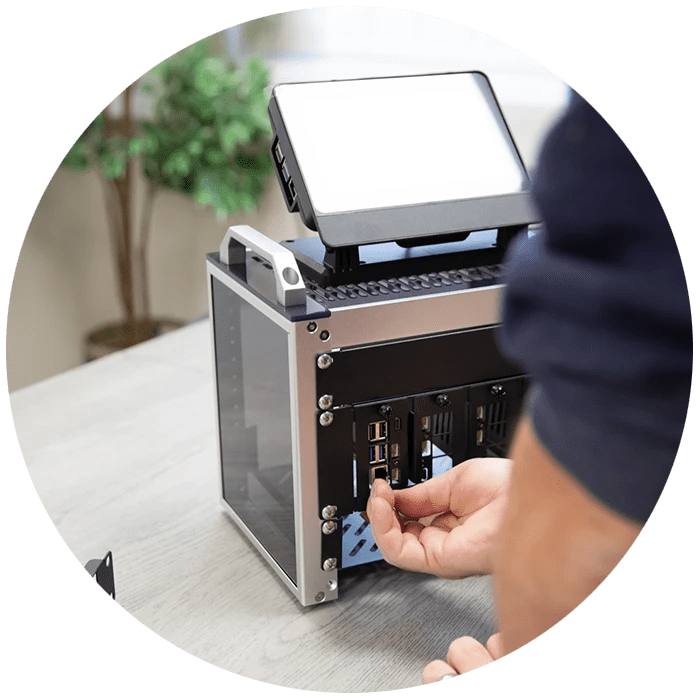
Then things grow.
More devices get added. Multiple locations are involved. It becomes challenging to keep an eye on all the devices and data. At this point, businesses begin looking for structured ways to manage their systems, often turning toward solutions like AWS IOT device management Raspberry Pi to bring everything under one roof.
It’s exciting to grow, but it can be uncontrollable if you don’t have the right strategies in place.
Moving beyond manual Oversight
The management of devices individually might be a good idea for a limited number of units, but it’s not effective for larger numbers of. If deployments are increasing, teams must find an effective way to manage the operations in a way that is not being forced to tackle each issue.
A Raspberry Pi device manager setup which is reliable can transform how teams interact with infrastructure. A centralized system makes it possible to keep track of all devices instead of needing to manually monitor them. It is possible to monitor devices, update, and configure devices without physical access.
This creates a more steady environment that is less prone to unwelcome surprises.
The Freedom of Remote Access
One of the most important changes in modern device management is the capability to connect to Raspberry Pi remotely. This removes the requirement for physical presence, which can cut down on time when there are several devices in different locations.
Remote access allows teams to resolve issues immediately, deploy updates and make changes to configurations without delay. In the past, tasks that need on-site or off-site assistance can be controlled from one dashboard.
This level of control offers an impression of flexibility which is vital for growing systems.
The Watching of Everything As It Happens
Knowing that devices are working is not enough. What makes an system solid is knowing the way it functions in real time.
The capability to monitor and control Raspberry Pi and IOT devices management makes it possible for teams to monitor performance, recognize abnormal behavior and react prior to minor issues becoming significant issues. This visibility allows for a proactive rather than reactive approach.
The systems become simpler to manage and more reliable if they are monitored continuously.
Tools to simplify the process
As networks expand complexity tends to rise. Without the proper tools in place, updating, configuring and managing performance can become overwhelming.
Modern Raspberry Pi devices management tools simplify the process. They automatize routine tasks, give clear insights and help ensure that devices remain focused on the goals of operation.
Instead of spending time on tedious tasks, teams could concentrate on developing their systems and enhancing their capabilities.
Systems that grow with You
One of the most important aspects of managing devices is scalability. The system that works on ten devices will be able to work with hundreds, or thousands of devices.
With the help of AWS IOT device management Raspberry Pi, businesses can develop systems that can grow without losing structure. Each new device becomes part of a larger network instead of adding to the volume. This allows for expansion to be controlled and not chaotic.
Stability as systems expand
Growing is often accompanied with new risks. Stability is important because more devices means more failure points.
The capability to manage and monitor Raspberry Pis as well as IOT devices ensures systems remain steady, regardless of how they grow. Issues can be identified early and updates are always applied, and performance ensured throughout the network. This stability is what lets businesses rely on their systems with confidence.
The Smarter Method to Manage Your Devices
The management of devices does not have to be a burden. If the proper structure is in place, even large deployments can be handled efficiently.
The ability to remotely connect to Raspberry Pi, to use advanced Raspberry Pi devices management tools, and to depend on AWS IOT Device Management Raspberry Pi can transform how businesses run their operations. The once complicated process is now manageable. And what used to require constant attention has been simplified.
ScalerPi focuses on facilitating this transition, helping businesses move from scattered systems to organized, scalable systems.
A solid and consistent management strategy is essential to ensuring long-term success when more companies adopt IoT technologies and advanced technologies.