
A drainage system may seem perfect in the normal weather, but a heavy storm could reveal all the weaknesses in the property’s infrastructure. Parking areas can be flooded as detention pool fills up fast, roads become dangerous, and areas that are low-lying begin to accumulate water. In many cases it’s not just the rain that causes issues. It is that the site does not have the proper system in place to actively move stormwater when gravity alone isn’t enough.
A stormwater lift station becomes essential. The systems are able to collect and move out stormwater from areas where it naturally collects. They also help safeguard roads, building infrastructure, outdoor spaces and utilities. Lift stations are a key component in any project, whether they are industrial, municipal commercial or residential. They are also important to keep a place operational in the aftermath of storms and.
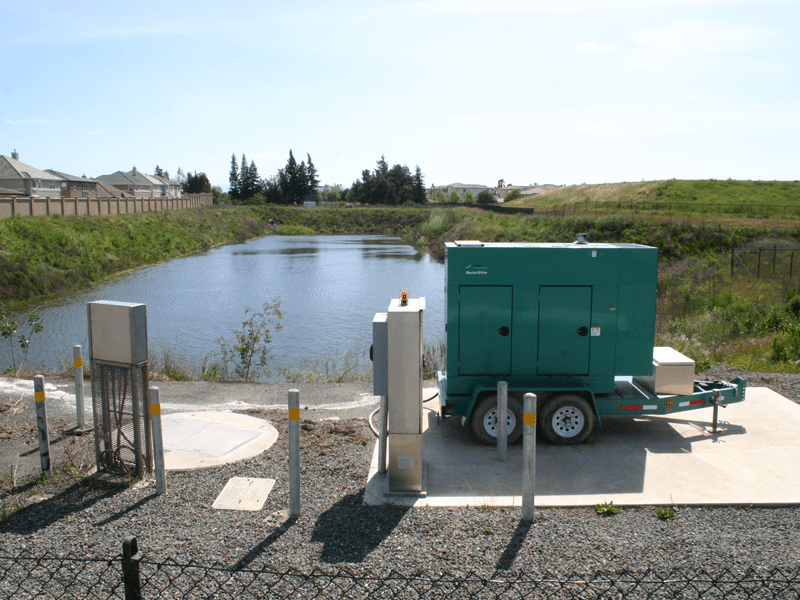
Stormwater management should be designed according to the location.
Every property handles runoff in a different way. A shopping center with a huge parking lot that is paved does not behave like a subdivision for residential purposes or a residential subdivision, and neither will have the same needs in a commercial site or municipal drainage project. The construction of a stormwater drainage system is affected by a range of variables, including the flow rate, site elevation and detention requirements, as well as discharge conditions.
Romtec Utilities does not approach stormwater pumps as a standard package. Each system is developed in accordance with the pumping scenario, whether that means controlling flooding, removing an edifice for detention, regulating the drainage from a construction site or assisting in the construction of a drainage system for the city. The ideal solution will depend on how much water needs to be moved, how swiftly it must move and where it needs to be moved.
The stormwater pump station is much more than a mere pump that is placed in a vault
A solid stormwater runoff pump station needs more than simply high-powered machines. It is a system combining mechanical, electrical, structural controls, and other components seamlessly to manage stormwater volumes efficiently and in a consistent manner. To make sure that the station performs optimally for its entire lifetime important factors like exact pump sizing (including the design of wet wells) advanced controls durable pipes, resilient power systems, and real-time monitoring are all required to work in tandem.
The complete integration of systems allows the most efficient stromwater systems design firms stand out. A superior design doesn’t simply address an immediate water-related issue, it requires an approach that is proactive and long-term. Top engineers constantly consider the ease of ongoing maintenance as well as future site requirements and the highest efficiency of operation. The entire system must be designed to withstand harsh conditions in the real world and not rely on flawed assumptions.
The process of planning is vital regardless of whether you’re dealing with torrential floodwaters, or designing municipal systems that are under high pressure such as booster pumps for pure water, in which failure isn’t an possibility. Romtec Utilities designs stormwater systems with those practical realities in mind. Their pump stations are tailored for a range of purposes and are backed up by help in starting the system, staff training and documents to aid owners in operating the system effectively after installation.
Better planning creates better flood protection
A properly engineered stormwater pump station will reduce risk of flooding, improve the site’s accessibility, and shield properties around it from damage caused by water. The pump station can also increase the resilience of a site through ensuring that runoff in heavy rain is managed quickly and efficiently.
Stormwater infrastructure is easy to ignore until it is damaged. A reliable stormwater liftstation is the best investment a property owner or municipality can make to manage runoff efficiently, rather than passively. Stormwater management techniques can make the site more efficient and safer. They also help it be better prepared to deal changes in weather conditions.