
It’s not often that an effective yard begins with expensive machinery or a beautifully landscaped property. It is more likely that it begins with someone sown a few seedlings, watching the results and making better choices to plant the following season.
The practical approach is what’s central to The Sproutstead, an informational source for people who want to grow food, improve their soil, conserve what they’ve harvested, and learn self-sufficiency techniques without getting lost in technical language.
Your Garden is Unique and has its own Set of Conditions
One reason garden advice can become frustrating is that gardens can’t be interchangeable. A tomato grown in a sunny bed in one region may differ from the same variety planted in soil that is heavy, or with a shorter growing season.
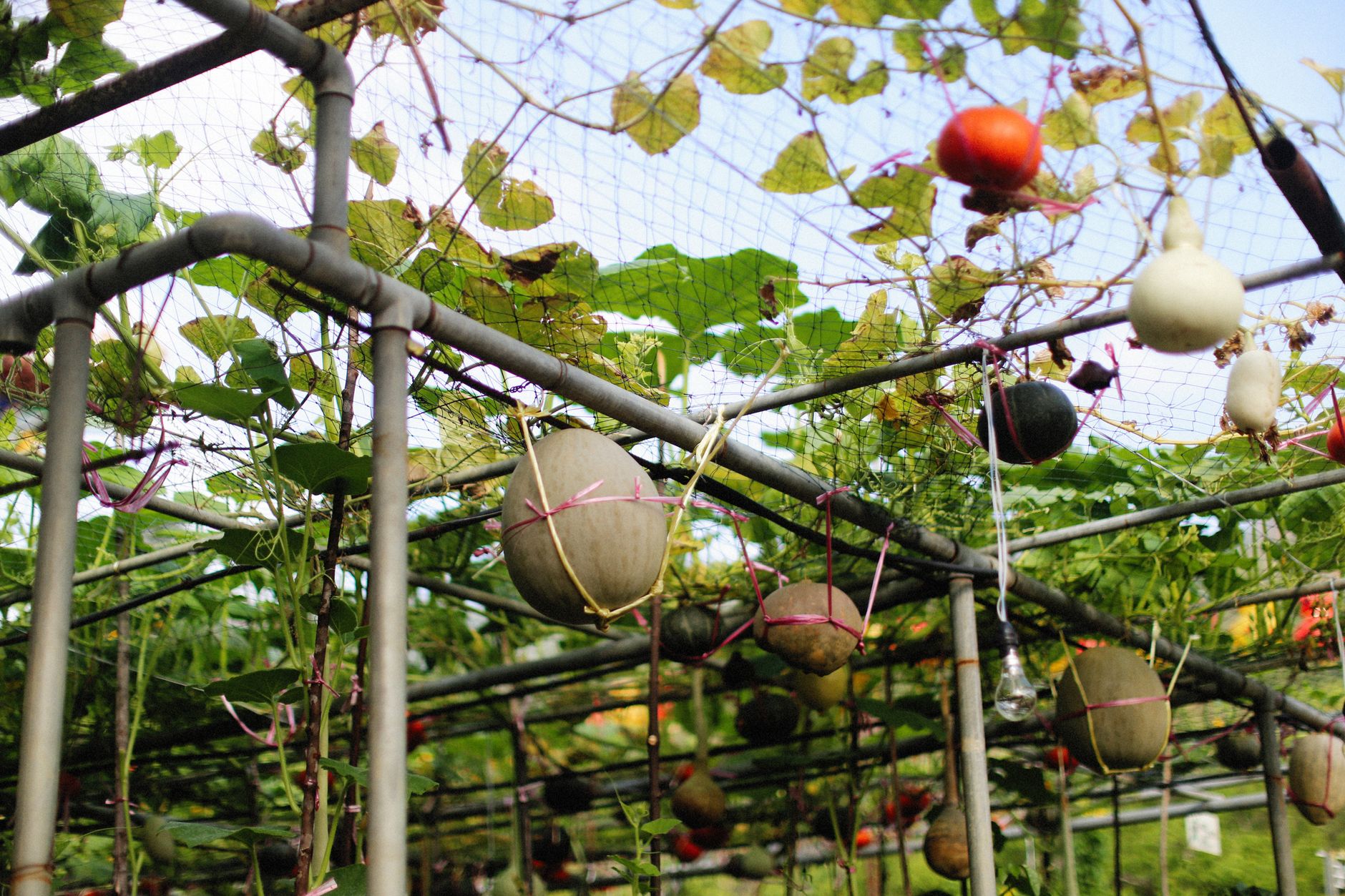
A successful homesteading or gardening experience involves more than following instructions. Understanding the climate in the area you live is crucial for gardening.
The Sproutstead goes over these factors to help gardeners adapt their gardening techniques to their personal home, rather than trying to duplicate the ideal set-up.
Below the surface, vegetable gardening starts
People naturally pay attention to plants that they can see, but a lot of a garden’s performance is determined in the underground.
The right balance between drainage, retention (retention of moisture), nutrients and organic matter is important for healthy soil. Composting can enhance soil with time, and mulching can help conserve water and reduce the development of weeds. Paying attention to these fundamentals can make vegetable gardening easier because healthier growing conditions give plants a stronger foundation from the beginning.
Planning is essential as well. Plant spacing, crop timing, companion planting, and seasonal succession will determine the effectiveness of gardening in small spaces.
Tomatoes Are a Lesson in paying attention
You’ll likely hear 10 different stories from ten gardeners when you ask them questions about tomatoes. The most well-known of garden crops, tomatoes exhibit the effects of a variety of different kinds of conditions.
Anyone researching how to grow tomatoes should think beyond planting depth and fertilizer schedules. Tomatoes need adequate sunlight, consistent watering suitable soil, appropriate spacing and support as they mature. It is vital to choose the most suitable tomato due to the conditions of growth availability, the area available, and the intended use can all affect the best tomato for you.
It might not be feasible to fix the issue through adding more fertiliser. It could be due to high nitrogen levels, low temperatures, lack of sunlight, or even poor pollination. Observing the whole plant provides better information than treating every indication in the same manner.
Harvesting is just one part of the story
A garden that produces 20 pounds of veggies can be a bit less rewarding when half of them spoil before being eaten. When planning a home-growing system It is crucial to take into consideration what happens following harvest.
Canning and freezing, drying sharing surplus produce, saving seeds that are suitable, and composting unavoidable scraps can help households maximize the value of the food they produce. Backyard chickens, herbs, fruit trees, and composting can eventually become additional components of the same system.
There is no need to implement every single homesteading technique at once. Progress is made when you learn to grow lettuce or improve the quality of a compost pile or even preserve the first batch of tomatoes that you grow at home.
Gardening is easy with the right knowledge
It’s impossible to guarantee perfect plants with the most helpful gardening tips. The weather changes as do pests, seeds may fail, and the recommendations are contingent on the location.
The Sproutstead thinks of these issues as a way to learn rather than exceptions to it. Through connecting subjects such as soil, vegetables, seed starting, pests, preservation backyard chickens and self-sufficiency, readers can gradually comprehend not only what they should do with their garden, but how it does what it does.
It is ideal to construct a productive garden similar to how plants grow: seasonalally, slowly, and with a sturdy foundation.