A lift station could eventually become a concrete structure packed with pumps, piping and valves, as well as controls and electrical equipment, however its performance is largely determined much earlier. The design is determined by numerous aspects, including calculation of flow, elevation of the site, system pressure, water quality the peak conditions access to maintenance controls, and capacity to come.
The main question important for project owners to ask when comparing the top lift station designers is not who can specify the pumps. Who can translate site conditions into a practical, complete system that is simple to install, maintain, and operate?
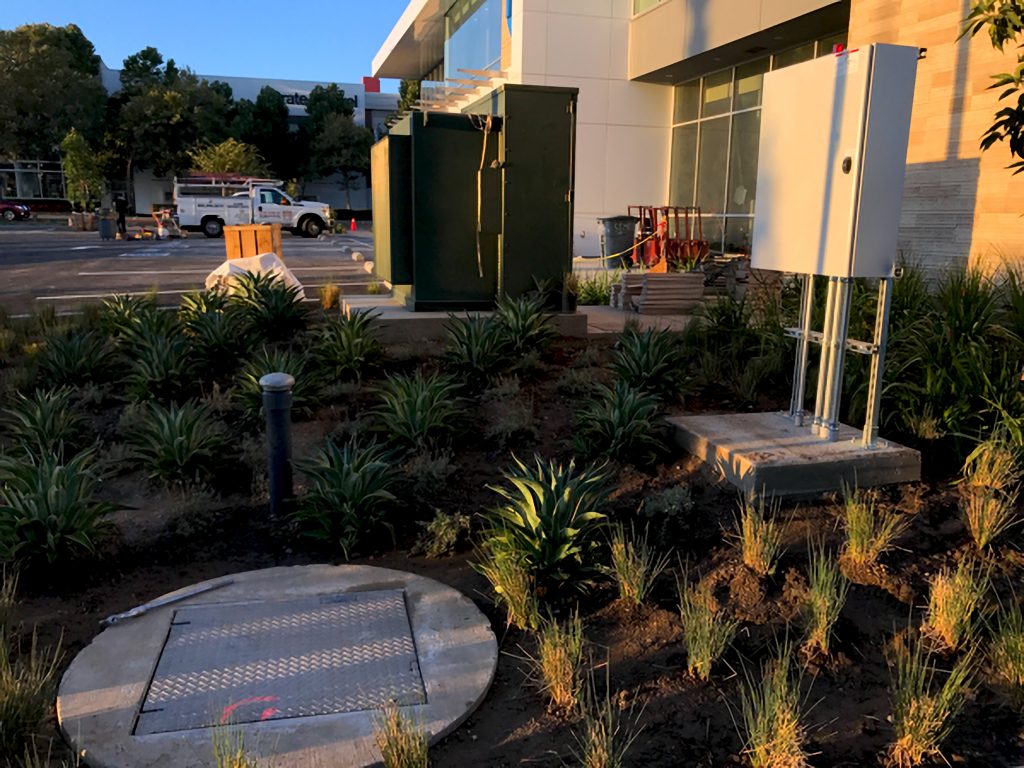
Image credit: romtecutilities.com
Gravity has Limits
Gravity is often the most effective method to transport wastewater. But, the terrain and the building patterns can make it difficult. The new residential, commercial and industrial developments are typically too high or distant from the existing gravity sewer infrastructure.
A lift station can provide the mechanical force required for the transfer of wastewater from one point in the collection system to the next. It is important to consider both the normal operating conditions as well as those that are less practical, such as high inflows, maintenance of the pump and equipment breakdown, as well as potential demand growth.
Companies considered among the best wastewater designers should therefore evaluate the entire conveyance problem rather than treating the station as an isolated piece of equipment.
Existing Infrastructure Makes the Puzzle more difficult
Construction isn’t always the only issue. Municipalities often need to upgrade or replace aging stations, all while keeping their essential wastewater infrastructure in place.
Wet wells that are in use, force mains, electric services, controls, site boundaries, and downstream infrastructure can limit the new design. Engineers need to determine what elements can be reused as well as what components must be replaced as well as how the new elements will be integrated with the current system.
Romtec Utilities offers pumping solutions for private, municipal industrial, commercial and retrofit projects. Pumping systems can be adapted to meet the unique requirements of each project.
Stormwater is governed by a variety of rules
The best designers of stromwater systems using the supplied search terminology will have to solve a distinct hydraulic issue. Stormwater systems can undergo dramatic changes in volume depending on the rainfall, drainage area capacity of detention, as well as allowable discharge rates.
A facility serving a detention basin, for instance could require holding runoff temporarily and then pump it out at a set rate. Engineers should take into consideration the head and flow conditions, environmental requirements as well as flood management goals and the specifics of the drain system that is receiving.
Prefabrication can move work away from the worksite
Complex field assembly can create opportunities for scheduling conflicts, installation errors changes, delays. Romtec Utilities performs significant prefabrication of equipment prior to the construction site is constructed.
In a controlled area where there is a controlled environment, the completion of more assembly work and quality-control work can cut down on the amount of work that is done on the field. According to the method of project implementation explained by Romtec Utilities, certain projects that might otherwise take weeks can potentially be reduced to days subject to the specific conditions of the project.
The commissioning process is a essential element of engineering Success
The installation of every component does not make a station trustworthy. Romtec Utilities provides installation advisors and follows construction with startup checking of the control panel and pump operation checks, system testing, and training for personnel. Documentation also gives operators information that they can use to maintain the system or contemplating future expansion.
Owners looking for the best designers of lift stations must pay attention to this final step. Good engineering should produce more than an acceptable set of sketches. The proprietor must be left with a functional system and well-trained staff, as well as helpful documentation and equipment built to meet the everyday operational requirements of the facility.