
For most homeowners, the thought of an oil tank replacement rarely crosses their minds until necessity knocks on their doors. However, the importance of this seemingly minor task is not overstated as a residential oil tank is a crucial part of the construction of any house. As property owners, we are accountable and are required to ensure that the heating system as well as storage containers for oil work properly and effectively. Avoiding the replacement of oil tanks could result in serious environmental and financial costs.
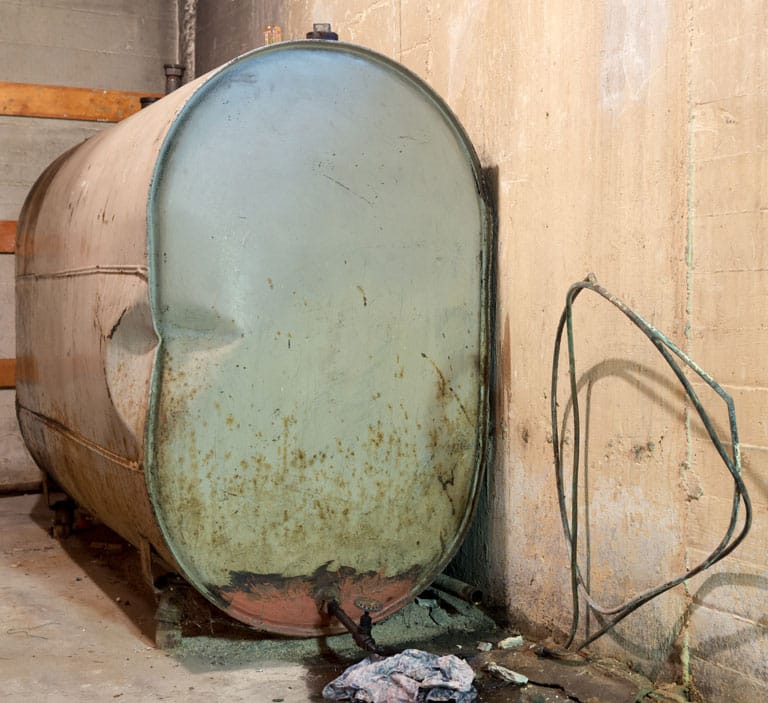
The importance of replacing oil tanks becomes evident when we think about the possible consequences of carelessness. A tiny oil leak today can escalate into an enormous financial burden and environmental catastrophe in the near future. Understanding the fundamentals of oil tanks and when to replace them is crucial. This article will cover the many aspects of a replacement for your oil tank, including the cost to replace the tank and its benefits. This will give you all the information you require.
Be aware of the necessity of replacing oil tanks
The oil tank in your yard or basement may not be the most attractive part of your home However, it’s certainly one of the most important. The tank, which is unassuming, serves as a storage container for heating oil ensures your home remains warm and cozy during winter months. Oil tanks, as all other components, have time-bound duration of life. Inattention to maintenance and later replacing them can cause a number of problems.
Think of an old oil tank as an explosive ticking bomb. It could pose a danger. The wear and corrosion over time may weaken the tank’s structural integrity, which can lead to spills, leaks and contamination. Such incidents not only endanger your property, but they can affect the environment. By taking the initiative to consider the replacement of your oil tank, you will not only reduce the risk, but also guarantee the safety and wellbeing of your loved ones as well as the surrounding ecosystem.
Calculating the costs Cost for replacing the oil tank
Budget is an essential factor in many renovation projects at home, including replacement of the oil tank. Costs of replacing oil tanks can depend on various factors. The main ones are the size of the tank its location and the difficulty of installing. It is important to view this task as a way to invest and not as a cost. While the initial costs may appear expensive, they’re nothing in comparison to the financial ramifications of leaks.
Make an informed choice that’s in line with your needs and budget by seeking accurate estimates from reputable firms. Be aware that the expenses that are associated with replacing the tank include not just the tank, but additionally the labour, permits and any remediation needed for soil. An effective replacement of the oil tank will not only guarantee immediate safety but also savings over the long term as well as peace of mind.
The replacement of oil tanks is an ecological imperative
Outside the limits of your home The decision to replace the oil tank can have an impact on the natural environment. Tanks that are older can be more vulnerable to spills and leaks. These can seep into water and soil, causing pollution and lasting ecological harm. Choosing responsible oil tank replacement is a deliberate step towards decreasing your carbon footprint and safeguarding the wellbeing of your community.
Modern tank service providers put the emphasis on the environment. The removal and the disposal of old oil tanks is done by expert technicians employing techniques that reduce the risk of contamination. Tanks that are newer are typically equipped with cutting-edge materials and features that are better for the environment. Replacement of the oil tank is an ideal way to safeguard the nature-based resources of the future and also improve their well-being.
A replacement for your oil tank can give you comfort and safety.
The cost of replacing your oil tank goes beyond financial and environmental factors – it directly affects the safety and security of your house. Reliable, new oil tanks will ensure your heating system runs optimally and gives you consistent warmth even in the colder seasons. Moreover, it eliminates the anxiety associated with potential leaks, reducing the risk of sudden emergencies and the stress they cause.
In addition, changing your oil tanks can provide the opportunity to explore energy efficient options. Newer tanks are often designed with better insulation and modern technology, leading to reduced use of energy and reduced heating costs. You can improve your home’s efficiency and choose a a more sustainable life style by upgrading your oil tanks.
The replacement of the oil tank is not just a simple maintenance job. It’s an investment that can improve the security of your home, as well as its wellbeing, and sustainability. It is important homeowners to be aware of warning signs and the costs that come with a replacement. If you prioritize replacement of your oil tank will result in the safety of your family, fewer costs in the long run, and overall comfort of your home. Therefore, take the first step towards a safer and eco-friendly future – one replacement for your oil tank at each step.