
Imagine the amount of planning involved in planning a park. Landscape architects study pedestrian circulation, accessibility drainage and vegetation, parking, lighting, playground layout, and how different groups will use the space. Yet one of the most often used structures that are located on the property could occasionally be regarded as an off-the-shelf addition.
A restroom deserves more consideration. It has plumbing or waste-handling needs, accessibility requirements, maintenance requirements, security concerns as well as building-code requirements. It also has to withstand years of weather and heavy public use.
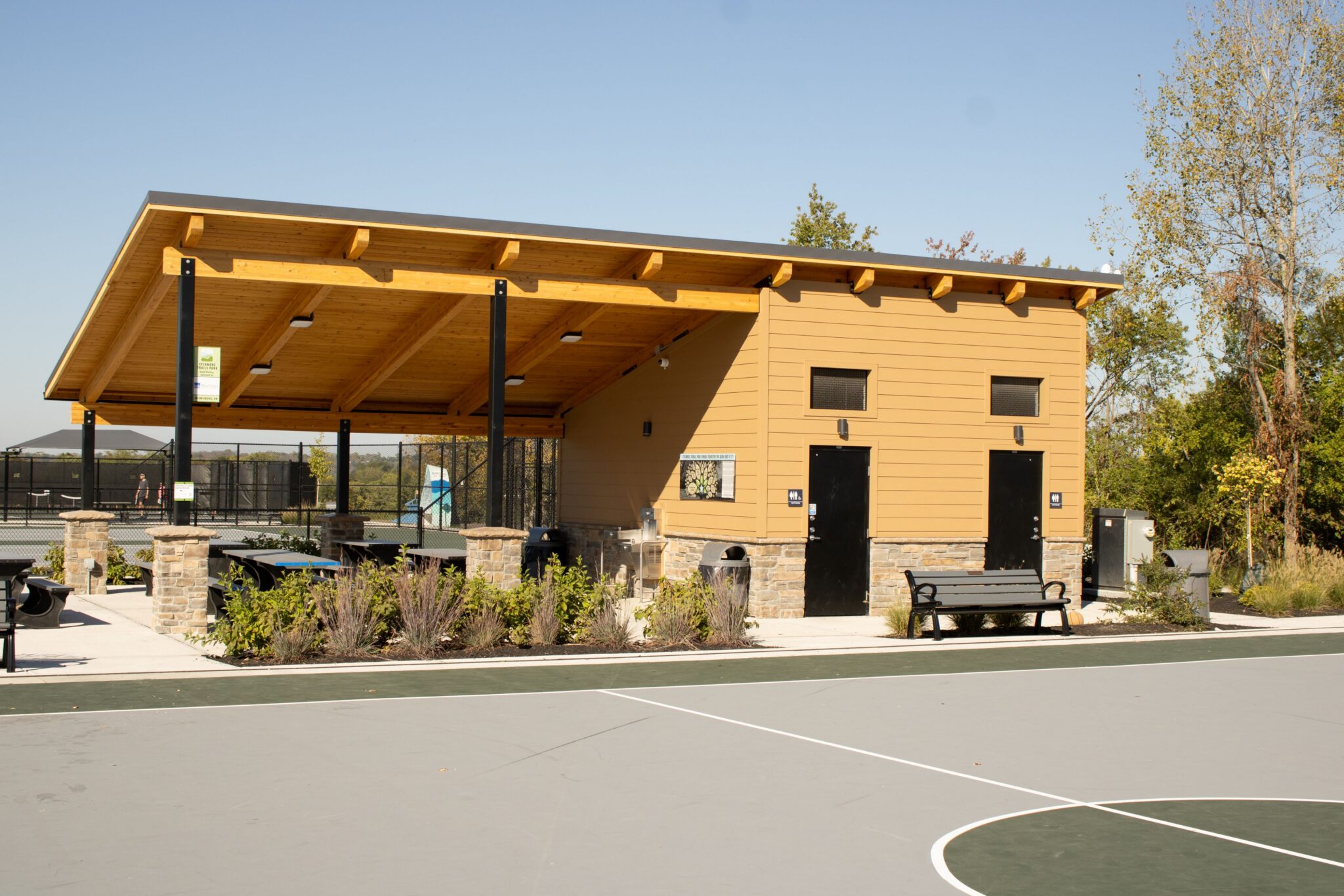
Image credit: romtec.com
Romtec’s strategy allows restroom design to be a part the overall planning process for the site rather than an extra-curricular thought.
Prefabrication Doesn’t Need to Mean the same building
Prefabricated park restrooms could imply an insufficient range of common constructions. Kit-based approaches can perform differently.
Romtec provides custom-designed plans, engineering documents, building materials and the necessary documentation for construction. Landscape architects can use this to choose the architectural style and the appropriate materials for the particular project while drawing on Romtec’s experience with codes, ADA requirements, components, pricing, and construction.
A city seeking to renovate a historical community park, for example it may require a different exterior from an organization that develops an athletic facility that is modern. Both are able to benefit from a synchronized building supply system, but without having to design the building in the same manner.
The Design Specification for City Streets is different
Bathrooms in urban areas are governed by specific operating conditions. Bathrooms in urban areas might be subject to constant pedestrian circulation, as well as concerns about vandalism and safety. Additionally, they must be able to keep up with regular cleaning and address issues such as persistent and clean.
The design on the exterior of restrooms on sidewalks by Romtec has a high degree of visibility, which helps to ensure natural security, while keeping the functional features needed from a public place. It is crucial to select materials that require minimal maintenance and are not susceptible to vandalism, since frequent repairs could create a massive cost to public agencies.
It’s more than just building a better restroom. Layout, materials, and the surrounding surroundings all play a role in order to make it easier to maintain.
The Most Important Question is what’s going on underground
Before designing the layout of a bathroom must determine the existing infrastructure.
A thriving city park might have connections to electricity, water and sewers for sanitary purposes. If you connect these facilities to an isolated campsite or trailhead, it could be costly.
For suitable locations, vault toilets provide a waterless alternative. Romtec also supplies parts for these facilities, for instance, its single-piece polyethylene bathroom riser. The smooth-molded material is resistant to chemicals, easy to clean, and is designed to prevent bacterial growth. It is suitable for vault toilets that are either new or in existing facilities.
People who arrive later than the time of closing must be accommodated by a layout that is warm.
Visitors can use the restroom for a couple of minutes. Maintenance crews live with its style for many years.
It’s the difference between perspectives that matter. The surfaces that are hard to clean, components that are easily damaged, as well as materials that aren’t suitable to be cleaned repeatedly can cause small design decisions become recurring cost.
Cost, durability, and reliability are the three main factors to be considered in the planning process. Green materials, energy efficient systems, vandal-resistant fixtures, and smart maintenance options can be a factor in the building’s longevity value.
Even a small building can be a part of the landscape
Restroom architecture doesn’t need to be in competition with the parks surrounding it, nor should it appear haphazard.
Romtec’s custom approach offers public agencies and professionals the opportunity to organize bathroom facilities using shelters or pavilions as well as pools, campgrounds, hiking trails, and architectural surroundings. At the same important, practical needs like ADA accessibility and code compliance remain in the forefront of the design.
When those considerations are addressed together, the result isn’t just an area to build toilets. This is an infrastructure piece for the public specifically designed for a specific community and environment.