
A significant contract is won by a manufacturer. While the demands for production have grown, the plant does not have an increase in floors or more experienced workers. While adding another shift may temporarily improve the situation, it may also create new jobs or supervision, as well as additional training and demands for quality-control.
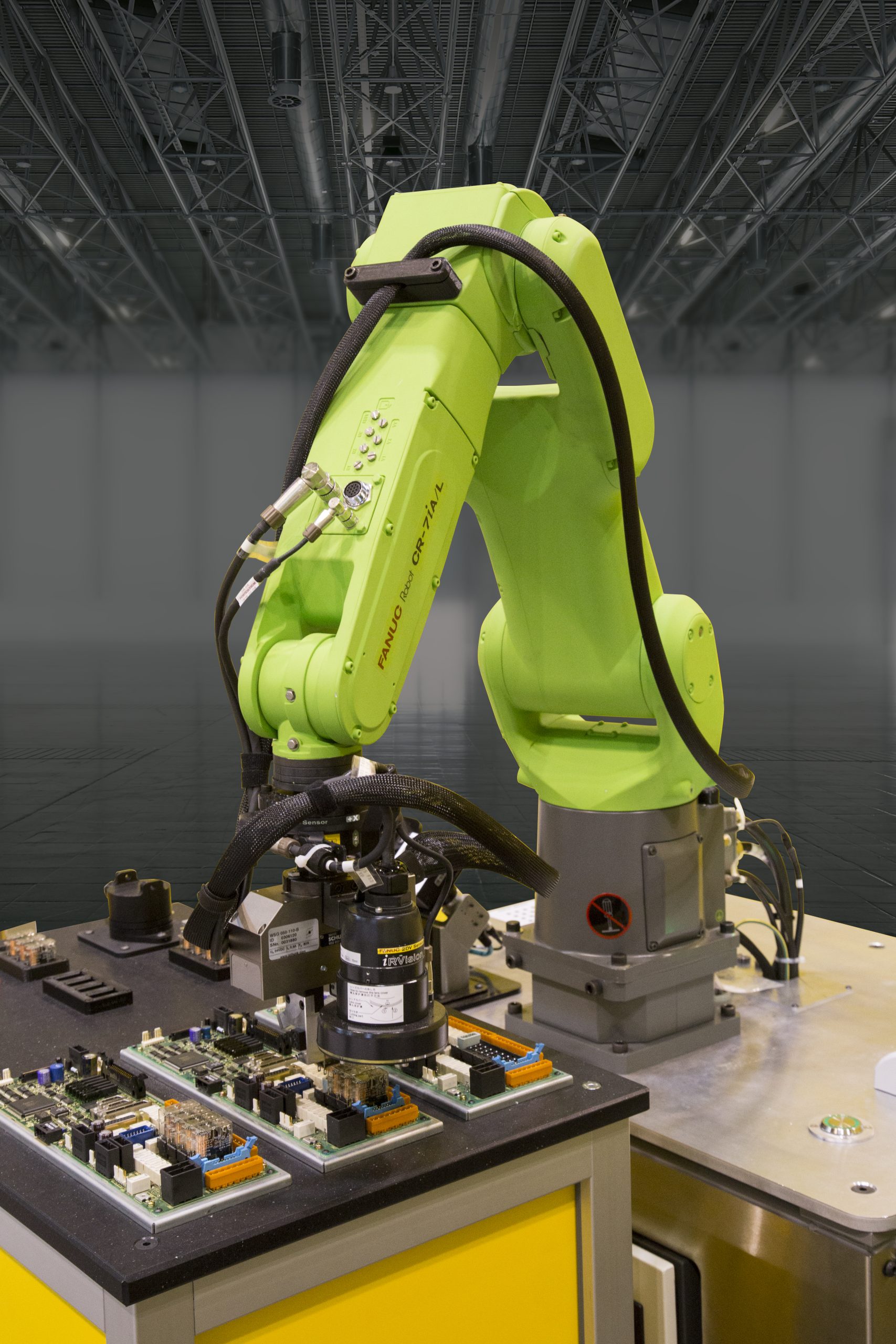
Image credit: automatedsolutions.com.au
Such situations highlight the importance of robotic automation. Robotics does not only replace people with machines. If used properly it can transform the way manufacturers use the production capacity they have.
Take a look at the time that passes between products
Inefficiency in manufacturing isn’t always so dramatic. An operator may spend 15 minutes positioning the item before implementing 10 seconds of materials, then a couple of seconds moving it onto the next stage. In the case of a single piece, the difference in time is not significant. When repeated thousands of times these seconds can turn into important production times.
Wasted material is no different. The addition of a tiny amount of extra coating or dispensing materials over a long production line can lead to a significant expense.
Companies considering robotic automation Australia can benefit from analyzing these small routine losses before they decide on the best equipment to buy. The analysis of needs by ASA aims to pinpoint bottlenecks, as well waste, quality issues and other process limitations that could affect an automation project.
A Robot has to fit the Process Around It
Making a choice on a robot is only one of the engineering decisions. Controls, guardings and tooling sensors, conveyors, and fixtures may also be needed. Engineers should consider the payload, reach and range as well as how the robot will move and interact with its surroundings.
ASA’s approach for FANUC robot automation includes concept development and system design along with CAD Simulation and offline Programming. Digital simulation allows engineers to explore configurations and estimate cycle times before the completed system is operating on the customer’s factory floor. It’s especially useful when there is a small amount of space, or when the new robotics is required to be integrated with the production line.
Paint and Dispensing demonstrates why Replicability is Essential
Some manufacturing processes demonstrate the importance of controlled motion especially well. Imagine coating hundreds or thousands of parts. It’s not just about completing the components quickly is the desired outcome. From the beginning of production to the end, the movement, speed and distance must be managed.
The ASA specialists are skilled in painting and dispensing across different industries such as aerospace and automotive. In these environments, industrial robotic automation can provide repeatable programmed movement while also reducing employee exposure to physically demanding or potentially hazardous processes.
The reduction of waste and improvement in productivity is possible through better management.
Even after the installation, the system still requires people
Automatism isn’t a substitute for manufacturing knowledge. Automation can alter the capabilities needed for maintaining and operating the manufacturing process.
The employees must know how to safely operate equipment identify abnormal behavior to identify faults, fix them, and conduct the necessary maintenance. Systems and procedures can be adjusted later if production requirements alter.
ASA offers training on-site in programming, safety troubleshooting, and mechanical and electrical maintenance. They also provide servicing and support on a regular basis to assess equipment condition and address wear over the system’s operating life.
Capacity Is About More Than Working Faster
For Australian manufacturers, increasing capacity doesn’t mean purchasing a larger building or continually adding labor to repetitive processes. Sometimes, the more important question is whether the present manufacturing process can be designed differently.
ASA has been creating and integrating automation systems since 2002, supporting manufacturers in Australia and projects across the globe. Its approach connects needs analysis with engineering, simulation, FANUC robot integration training, as well as servicing.
Automation is not the aim. A system worth investing in must provide the manufacturer with measurable outcomes, such as increased reliability of production, improved quality, safer procedures, reduced waste or increased capacity.